About Dr. Jamie

Grief Scholar. Womanist Pastoral Theologian. Theo-thanatologist.

I work at the intersection of grief, theology, and liberation — naming and disrupting the systems that deal death, and building spaces for collective healing.

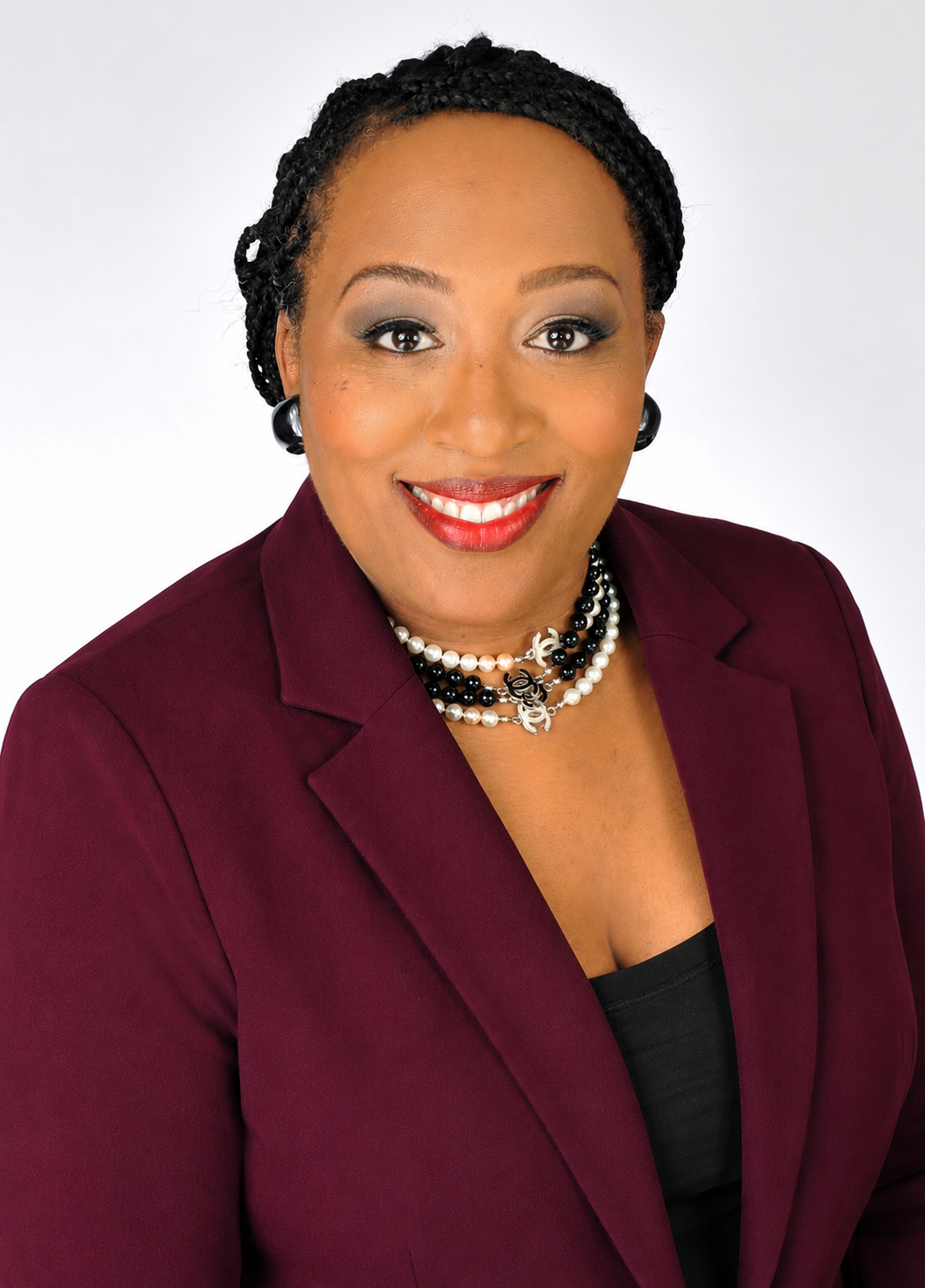
Dr. Jamie Eaddy, grief scholar and womanist pastoral theologian

Her Story

Dr. Jamie Eaddy is an organizational leader, grief scholar, womanist pastoral theologian, and theo-thanatologist. She serves as Lead for Supervised Ministry & the Doctor of Ministry Program at Colgate Rochester Crozer Divinity School. Her work lives at the crossroads of liberation, death studies, and just and ethical communal care. Trained in the traditions of womanist thought, pastoral theology, chaplaincy, organizational development, and change management, she brings rigorous academic formation to the deeply human work of accompanying people through loss.

Her scholarship centers the naming and disruption of death-dealing systems — the structures, theologies, and cultural silences that compound grief and deny communities the fullness of their mourning. She is committed to liberatory care: grief work that does not merely help people cope, but helps them reclaim their agency, their voice, and their belonging.

She is Alberta's granddaughter, Pauline's cousin, and Salam's niece. From them she learned to embrace one of her guiding principles: If your fight for liberation stops once you get free, it wasn't liberation you were after, it was privilege.

Grief is not our enemy; learning to befriend her helps us move toward reorientation and reimagination.

Academic & Spiritual Formation

Academic & Spiritual Formation

Dr. Jamie's formation spans the academy, the church, corporations, and the community — each shaping her understanding of grief as a site of both wound and liberation.

  • Doctor of Ministry

    Colgate Rochester Crozer Divinity School

    Prophetic Preaching & Transformative Leadership

  • Master of Divinity

    Samuel DeWitt Proctor School of Theology, Virginia Union University

  • Certified Thanatologist & Fellow in Thanatology

    Association for Death Education and Counseling

    Death, Dying & Bereavement

  • Clinically Trained Chaplain

    University of Pennsylvania & Albert Einstein Medical Center

    Clinical Pastoral Education

Trained Threshold Worker (Birth & Death)Reiki MasterCertified AromatherapistCertified Yoga Instructor

Her Framework

Womanist Pastoral Theology of Grief

Dr. Jamie's theological framework centers the experiences of Black women and marginalized communities as the starting point for understanding grief. Drawing on womanist scholars,  she insists that grief work cannot be separated from the work of justice. To grieve is to resist. To mourn is to remember. To heal is to reclaim.

Liberation
Embodiment
Community
Sacredness

Liberation

Grief work that names and dismantles the systems that compound loss.

Embodiment

Honoring the body as the site of grief, rather than something to be disregarded.

Community

Mourning as a communal act, not a private burden.

Sacredness

Grief is a process of reorientation, reimagination, and becoming

What is Womanism?

Womanism Centers Everyone

Womanism is not a narrow framework — it is a liberatory tradition rooted in the lives and wisdom of Black women, and it reaches toward the wholeness of all people. Coined by Alice Walker and developed by womanist theologians including Katie Geneva Cannon, Emilie Townes, and Delores Williams, womanism insists that the margins are not peripheral — they are the place where the fullest truth about humanity is revealed.

Radical Subjectivity

Womanism begins with the full humanity of Black women — not as a limit, but as a lens. To center Black women's experiences is to insist that their lives, their grief, their wisdom, and their joy are theologically significant and universally instructive. This is not exclusion — it is the refusal to accept any framework that treats some lives as less than fully human.

Traditional Communalism

Womanist thought is rooted in community — the village, the congregation, the kitchen table. It holds that healing is not a private achievement but a communal practice. No one grieves alone; no one heals alone. The community is both the context and the resource for transformation.

Redemptive Self-Love

In a world that has historically denied Black women their full dignity, choosing to love oneself — fully, without apology — is a radical and sacred act. Womanist theology names self-love not as selfishness but as resistance, and as the foundation from which genuine care for others flows.

Wholeness

Womanism is committed to the survival and flourishing of an entire people — not just some of them. It refuses to rank oppressions or leave anyone behind. This is why womanist frameworks speak to the grief of Black communities, Indigenous communities, LGBTQ+ communities, and all who have been told their mourning does not matter.

When Dr. Jamie says she is a womanist, she means she is committed to the flourishing of all people — beginning with those who have been most pushed to the edges. Like Toni Morrison, the margins have become her center.

Let's Find Time

Whether you're exploring collaboration, media, or simply want to connect — I'd love to talk.